
When sourcing a lid for food cups, bowls or trays, one of the earliest decisions is the supply format: should the lidding material arrive as a roll, or as pre-cut individual lids?
Both rollstock lidding film and pre-cut die-cut lids can be designed around the same basic packaging goal: a reliable seal on the actual container, appropriate product protection and the intended consumer opening experience. The difference is how the lid is converted, supplied and handled on the packaging line.
The better choice is not automatically the cheaper one or the more familiar one. It is the format that matches the container, equipment, production plan and required lid design.
What is rollstock lidding film?
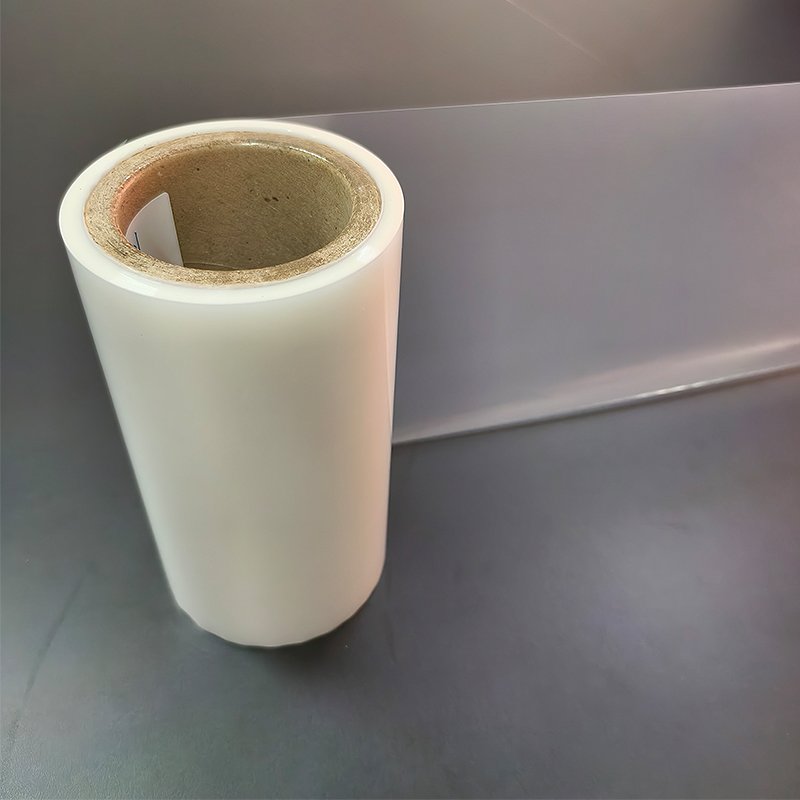
Rollstock lidding film is supplied in continuous rolls. On the customer’s production line, the material is unwound, positioned over the container, sealed and cut as part of the machine process.
This format is commonly considered for packaging lines that use continuous web handling and in-line cutting. It can suit standardized cup or tray formats, particularly where the line is designed to run a repeating pack size for sustained production.
Because the cutting and registration happen on the filling or sealing line, the roll must be specified for the actual equipment. Film width, winding direction, print repeat, registration marks, roll diameter and core size can all influence whether the roll runs consistently.
What are pre-cut die-cut lids?
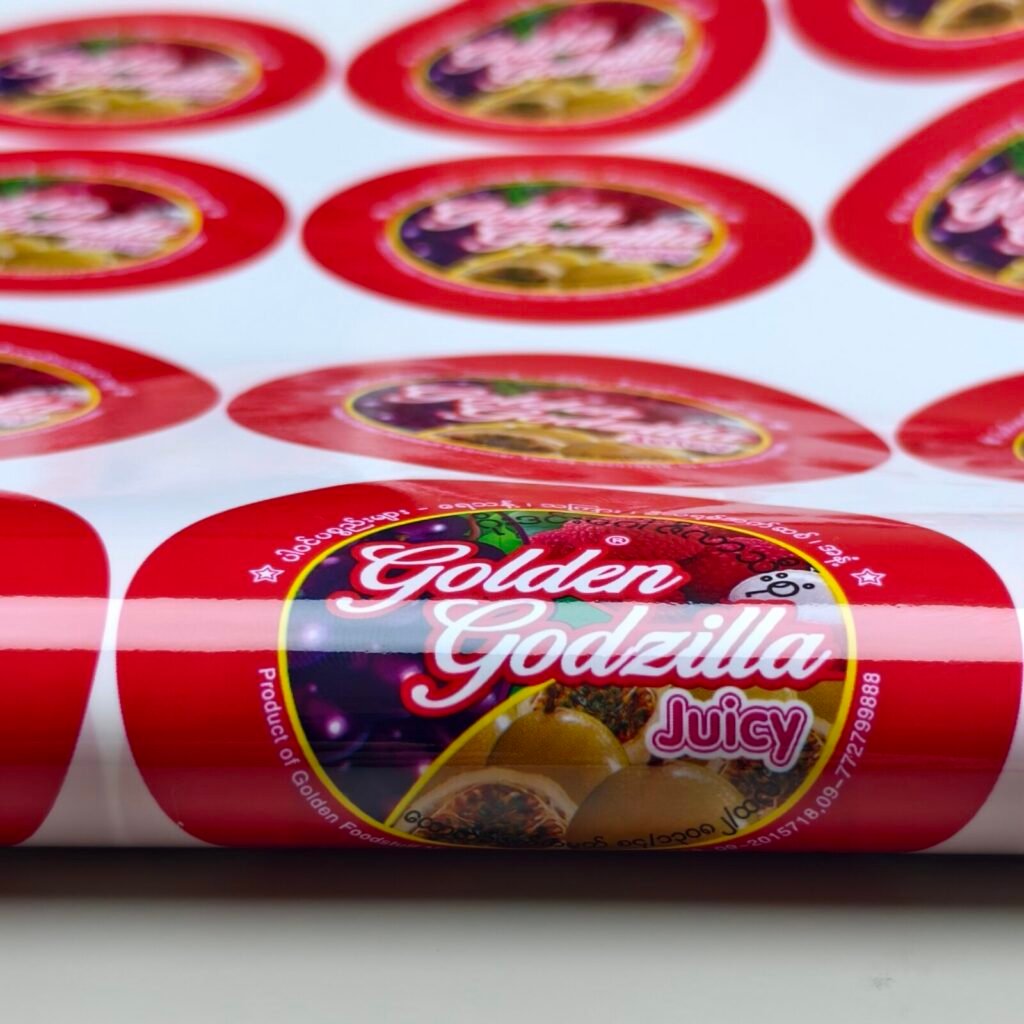
Pre-cut die-cut lids are converted into finished individual lid pieces before delivery. They can be supplied in stacks or another agreed feeding format for manual, semi-automatic or automatic placement and sealing.
This format is useful where the lid needs a defined outside shape, a visible pull tab, embossing or another pre-formed feature. It can also be considered when the customer’s equipment picks individual lids rather than cutting them from a continuous web during production.
Pre-cut does not mean a lid is a generic item. It still needs to match the cup rim, sealing surface, feeding method and final use case. For a detailed pre-cut lid specification, read How to Specify a Custom Die-Cut Lid.
Compare the supply formats against your real production line
| Decision point | Rollstock lidding film | Pre-cut die-cut lids |
|---|---|---|
| Supply format | Continuous printed or unprinted roll | Finished individual lids, usually stacked or packed to an agreed feeding method |
| Line operation | The line positions, seals and cuts the web | The line picks or places an individual lid, then seals it |
| Equipment information needed | Web path, winding direction, film width, core, reel diameter, print repeat and registration | Lid drawing, stack orientation, separation method, magazine capacity and pick-and-place conditions |
| Lid geometry | Often used with repeating container formats and in-line cutting | Well suited to defined circular, oval or custom-shaped lids and pull-tab designs |
| Printing control | Artwork must align with the machine’s registration and cutting cycle | Finished-lid artwork position and stack orientation must be controlled |
| Project decision | Best assessed with the installed line and planned output | Best assessed with the installed line, lid-feeding method and finished-lid requirements |
The table is a starting point, not a universal rule. Some high-volume applications use pre-cut lids; some specialized applications use rolls. The correct format comes from the actual production system.
Start with the machine—not the material name
The most common mistake is to choose rollstock or pre-cut lids before confirming what the packaging line can handle. Ask these questions first:
- Does the line unwind, register and cut a film roll during sealing?
- Does it pick individual lids from a stack, magazine or feeder?
- What are the expected line speed, container size and changeover frequency?
- Is the cup rim round, oval or custom shaped?
- Does the final lid need a tab, embossing, an easy-open feature or a special orientation?
If the answer to the first question is yes, rollstock may be the logical route to evaluate. If the line is designed to place individual lids, a pre-cut route may be more appropriate. When a line is still being selected, use the intended product, container and output plan to guide both the equipment decision and lid format.
Material selection still matters in both formats
Rollstock and pre-cut lids can each use different film structures. The required material direction should be based on the product, cup-rim interface, barrier requirement, filling and heating conditions, print appearance and consumer opening target.
For example, a foil-containing structure and a foil-free structure can have different application considerations. The supply format does not replace material validation. In both cases, the lidding layer must seal reliably to the actual cup or tray surface.
Read How to Choose Heat-Seal Film for PP, PET, PS and Paper Cups before finalizing the sealing interface. For projects involving barrier or heat-processing requirements, see What Is Retort Packaging Film?.
What to include in an RFQ
Whether you need rolls or individual lids, a useful request for quotation should include:
- Cup, bowl or tray sample, or a dimensioned rim drawing
- Actual material or coating at the sealing surface
- Packed product, filling conditions and storage requirements
- Packaging-line type, speed and sealing method
- Desired supply format: rollstock, pre-cut lid or both options for comparison
- Artwork, color requirements and print repeat where relevant
- Required opening behavior, pull tab, embossing or visible orientation
- Estimated order quantity, delivery location and food-contact market
For rollstock, include core size, maximum roll diameter, winding direction and web width. For pre-cut lids, include lid outline, stack quantity, feeding orientation and any separator requirement.
Validate on the real line
Before committing to a structure or supply format, run a production-relevant trial. Confirm feeding consistency, print registration, seal performance, finished-lid appearance and opening behavior. Record the line settings and container version used for each sample.
A lid that seals well in a hand trial may still require adjustment for the actual machine cycle. Likewise, a roll that runs smoothly without product may behave differently after filling, cooling or storage.
One supplier, two viable routes
HYPack can support both composite film rolls and custom die-cut food lids. From heat-seal layer selection and printed lamination to slitting, die cutting, inspection and packing, the right route can be evaluated around your real packaging line.
Send your container sample, machine information and intended lid function to begin with a practical format recommendation.
 Chinese
 English