
Retort packaging film is a flexible packaging structure designed to remain functional after a filled package is heat-processed for commercial sterilization. It is used for products such as ready meals, sauces, soups, meat products and other foods that need extended shelf life without refrigeration or with reduced cold-chain dependence.
The word retort does not describe one material. It describes the packaging system’s intended heat-treatment environment. A suitable film structure must be selected around the actual product, processing conditions, package format and required shelf life.
What happens during retort processing?
After filling and sealing, a package may be exposed to elevated temperature and pressure for a defined process. During that cycle, the packaging must keep its seal integrity and structural performance. It may also need to protect the product from oxygen, moisture, aroma loss or light, depending on the food.
This is why an ordinary flexible film should not be assumed to be retort-capable. A film can look strong before processing but show changes in adhesion, barrier, seal performance, print appearance or dimensional stability after the actual process.
A retort structure is built layer by layer
Many retort packaging materials are composite structures. Individual layers may perform different roles:
- Outer layer: provides printability, abrasion resistance and mechanical support.
- Barrier layer: helps control the transmission of oxygen, moisture, aroma or light when required.
- Adhesive or tie layer: joins materials with different properties and must retain performance through the intended process.
- Seal layer: creates the final package seal and must work with the actual opposing surface.
The exact combination varies. The right structure is not necessarily the one with the most layers; it is the one that satisfies the product and process requirements with a stable manufacturing window.
Four questions that define the correct film
1. What is the product?
Fat, acid, salt, spice oils, alcohol, powder and moisture can each affect packaging performance differently. Include the product’s ingredients, filling temperature and any headspace or gas-flushing conditions in the brief.
2. What is the retort process?
State the target temperature, hold time, pressure profile and cooling method. If the product is subject to a different heat treatment, such as hot fill or pasteurization, identify that clearly. These processes should not be treated as interchangeable.
3. What barrier is actually required?
Barrier should be linked to the product’s shelf-life objective. For example, light protection may matter for one product, while oxygen control, moisture control or aroma retention may matter more for another. A generic “high barrier” request is a starting point, not a complete specification.
4. How will the package be used?
Pouch, sachet, stand-up pack, lidding application and rollstock format create different mechanical and sealing requirements. Define whether the consumer will tear, cut, peel or heat the pack after purchase.
Validation must include the finished pack
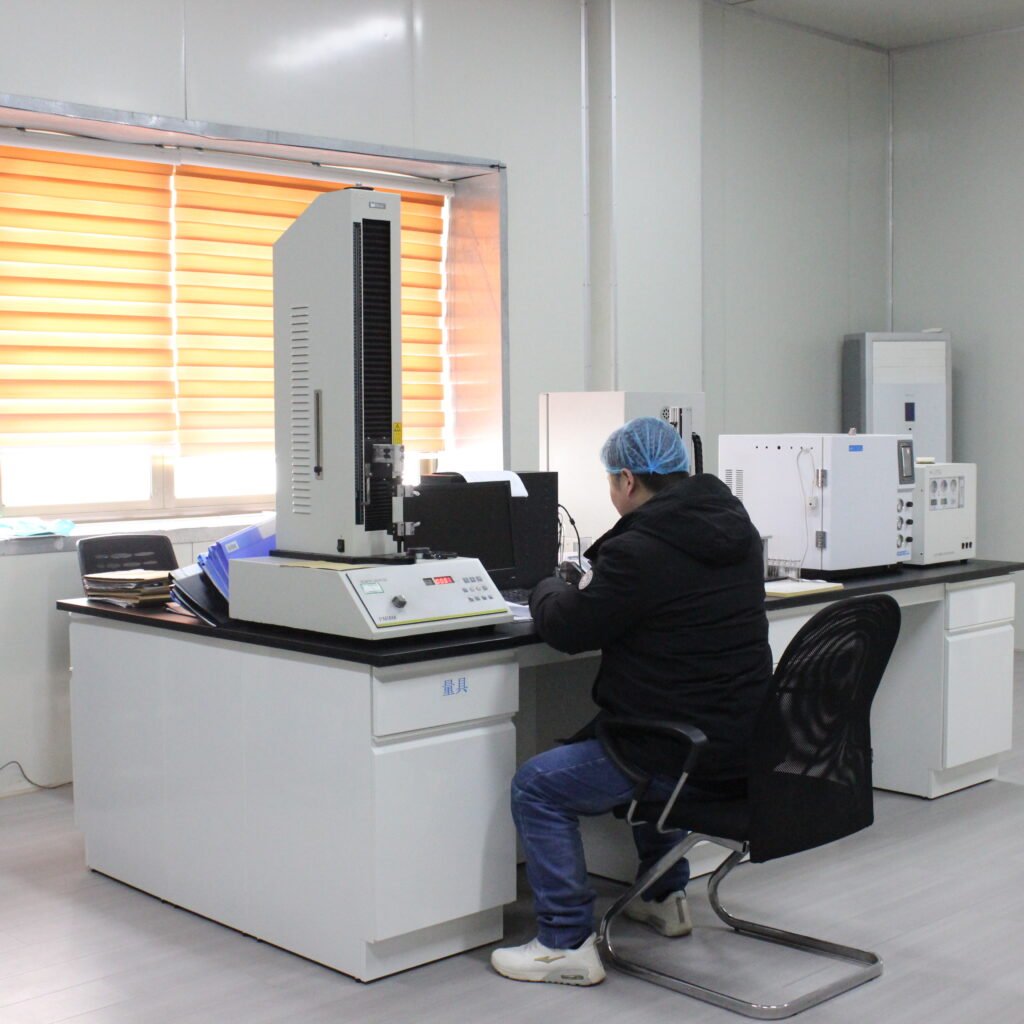
A practical development plan should check more than a flat film sample. After converting and sealing, evaluate the real package before and after the intended process:
- Seal strength and seal appearance
- Delamination, flex cracking or pinhole resistance
- Package dimensions and stiffness
- Barrier performance where relevant
- Print and coating appearance
- Leakage after processing, cooling and handling
- Opening behavior at the point of use
If a result changes, adjust one controlled variable at a time. A new film structure, a new temperature profile and a new sealing condition should not all be changed in the same trial without a clear test plan.
What to send when requesting a quotation
Provide the package format, packed product, target shelf life, current structure if known, processing conditions, required barrier, film width, thickness range, print requirements and expected order volume. Physical samples of the current package are especially useful when solving an existing defect or shelf-life concern.
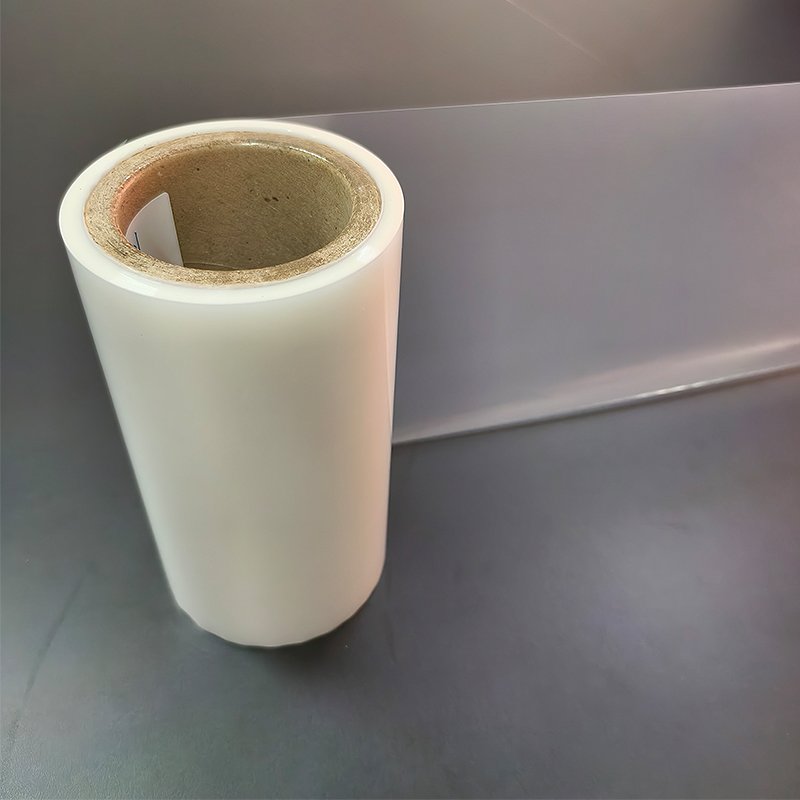
HYPack develops custom composite film rolls for food packaging applications. For projects that also need a cup or tray seal, review our guide to heat-sealing film before finalizing the sealing interface.
Start with the process, not the material name
The fastest route to a suitable retort film is to define what the package must survive, protect and do for the consumer. Once those conditions are clear, a film structure can be evaluated against the actual application rather than selected from a generic material label.
 Chinese
 English