
On a high-speed cup filling line, a lidding film is not simply a cover. It must unwind consistently, register accurately, seal within the available process window and deliver the intended opening experience—cycle after cycle.
When a line runs slowly, minor variation can sometimes be corrected by an operator. At higher output, the same variation can lead to misaligned lids, weak seals, web breaks, unplanned stops or a higher reject rate. This guide explains the key points to define when selecting lidding film for dairy cups, sauce cups, snack cups, noodle bowls and similar food packaging lines.
1. Begin with the actual cup and sealing process
The container is the starting point for any lidding-film recommendation. A film that performs well on one PP cup may not seal reliably to a PET, PS, PE or coated-paper container.
Provide your supplier with:
- Container material and, if available, a physical sample
- Cup diameter, sealing-land width and rim condition
- Filling product, fill temperature and storage condition
- Sealing temperature, pressure and dwell time
- Required line output or cycles per minute
- Whether the pack needs easy peel, easy tear or a stronger seal
This information helps define the appropriate heat-seal layer and the usable sealing window. A wide, stable sealing window is valuable on fast lines because normal production variation should not immediately create weak seals or excessive peel force.
2. Choose a structure that fits the product and distribution route
Lidding film structure influences much more than appearance. Depending on the application, it may need to provide barrier protection, stiffness, puncture resistance, heat resistance or a controlled opening performance.
For example, a chilled yogurt cup, a dry noodle bowl and a retorted ready-meal cup have different demands. Products sensitive to oxygen, moisture or aroma loss may require a higher-barrier structure. Packages exposed to hot filling, retort processing or frozen distribution need materials selected for those conditions.
If you need a printed or functional material in roll form, see our composite film roll range. The final structure should be confirmed through tests on your actual package and production line.
3. Keep web handling stable from unwinding to sealing
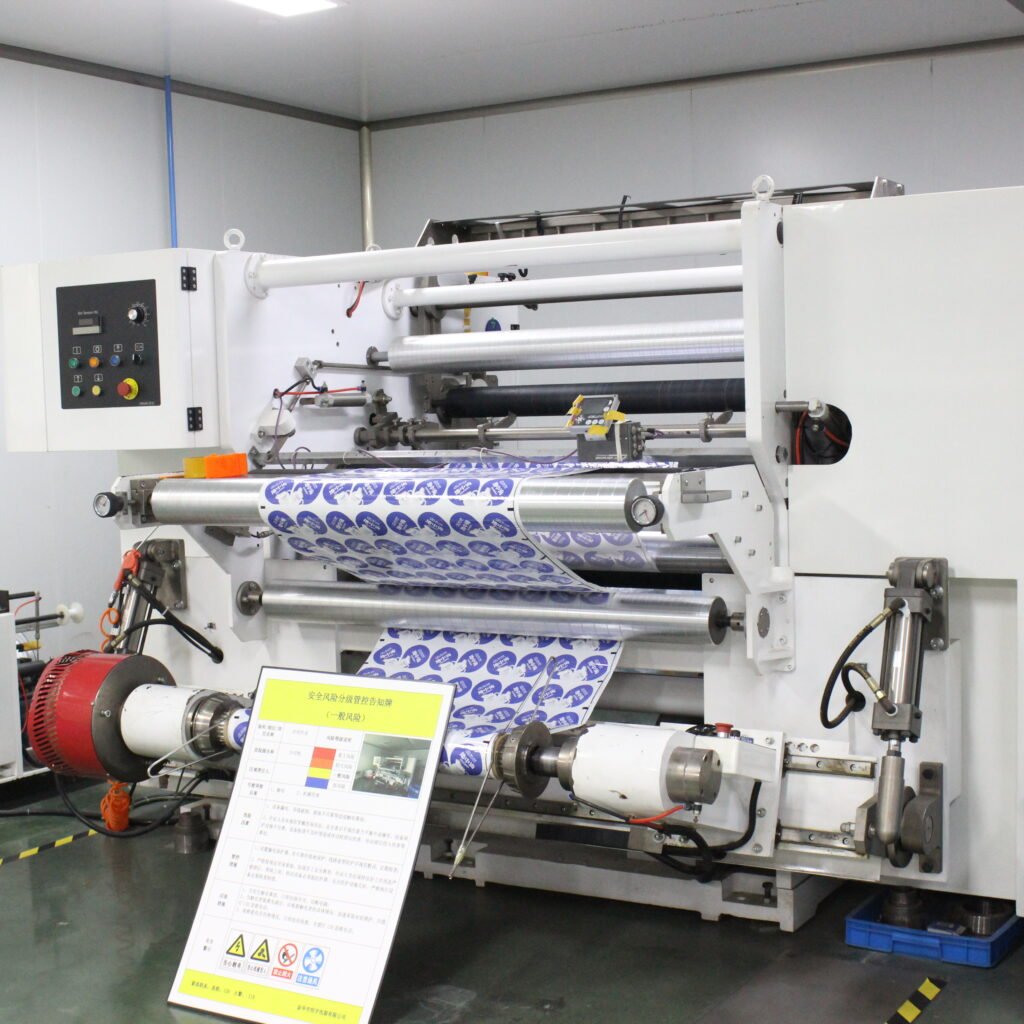
For rollstock lidding film, reliable web handling is essential. The roll must run evenly through the machine while maintaining suitable tension and tracking. A film that is technically sealable but unstable on the line can create unnecessary downtime.
Discuss these points early:
- Roll width, core size, outside diameter and winding direction
- Machine unwind system and tension-control method
- Required roll length and planned changeover frequency
- Web stiffness and flatness needed for the equipment
- Splice policy and roll identification requirements
The aim is to supply a roll format that fits the packaging machine and allows operators to run efficiently. If feeding, sealing and cutting are all performed in-line, the web specifications should be reviewed as part of the complete packaging process—not as an afterthought.
4. Match print registration to the machine index
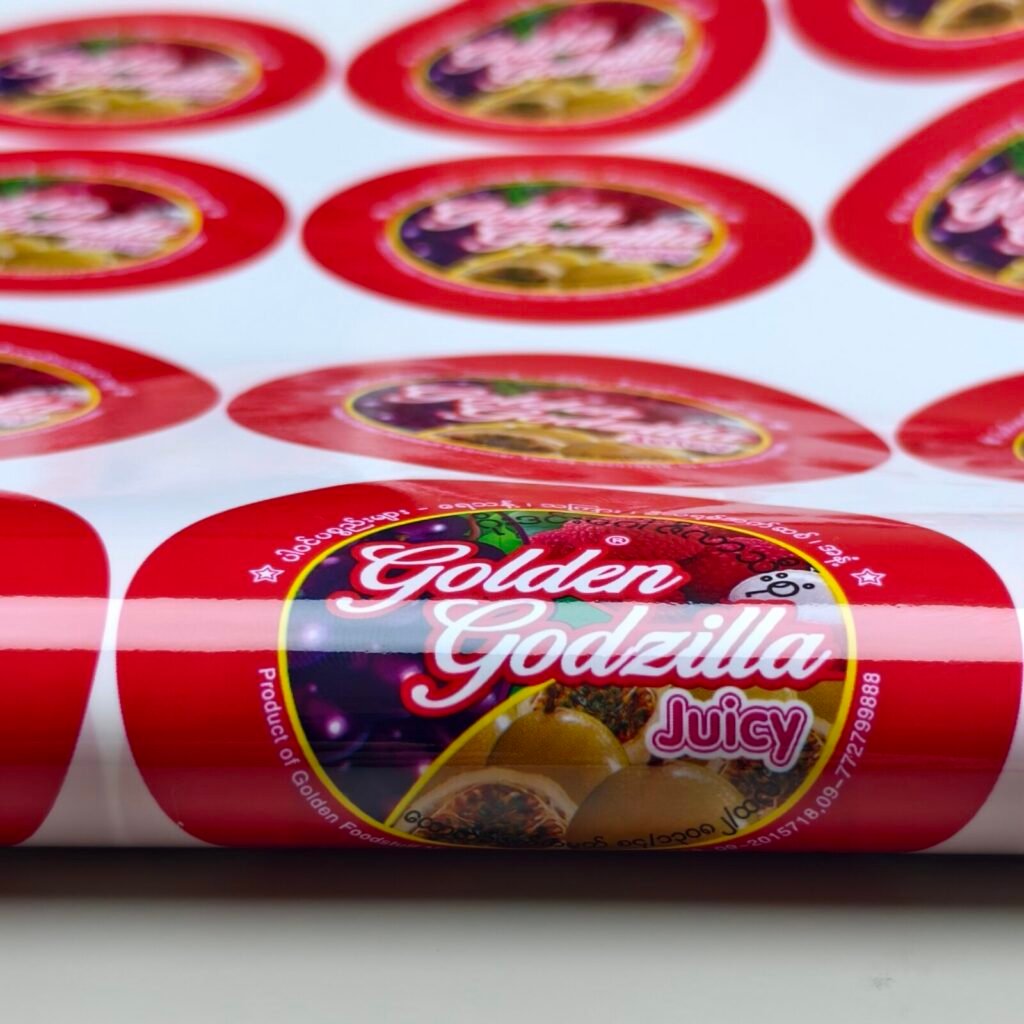
For printed lidding film, visual alignment matters as much as sealing performance. The printed design must stay correctly positioned relative to the cup, seal area and any opening tab or directional graphic.
The print repeat should be compatible with the machine index and the finished pack format. Registration marks, agreed tolerances and clear artwork safe areas help keep important logos, text and barcodes away from the edge of the finished seal.
Before production, review a sample on the real cup or bowl. Artwork that looks centered on a flat roll can appear different once it is applied to a filled package.
For more artwork and converting guidance, read How to Specify Printed Lidding Film.
5. Balance seal strength with the intended opening experience
A good lid must remain sealed through filling, handling, transport and storage, while still opening in the way the brand expects. The right peel force depends on the container, product, consumer and application.
Common requirements include:
- A clean, controlled peel for yogurt or sauce cups
- A practical tear direction for snack and dry-food packs
- A stronger seal for applications that face demanding transport conditions
- Consistent opening behavior across the production batch
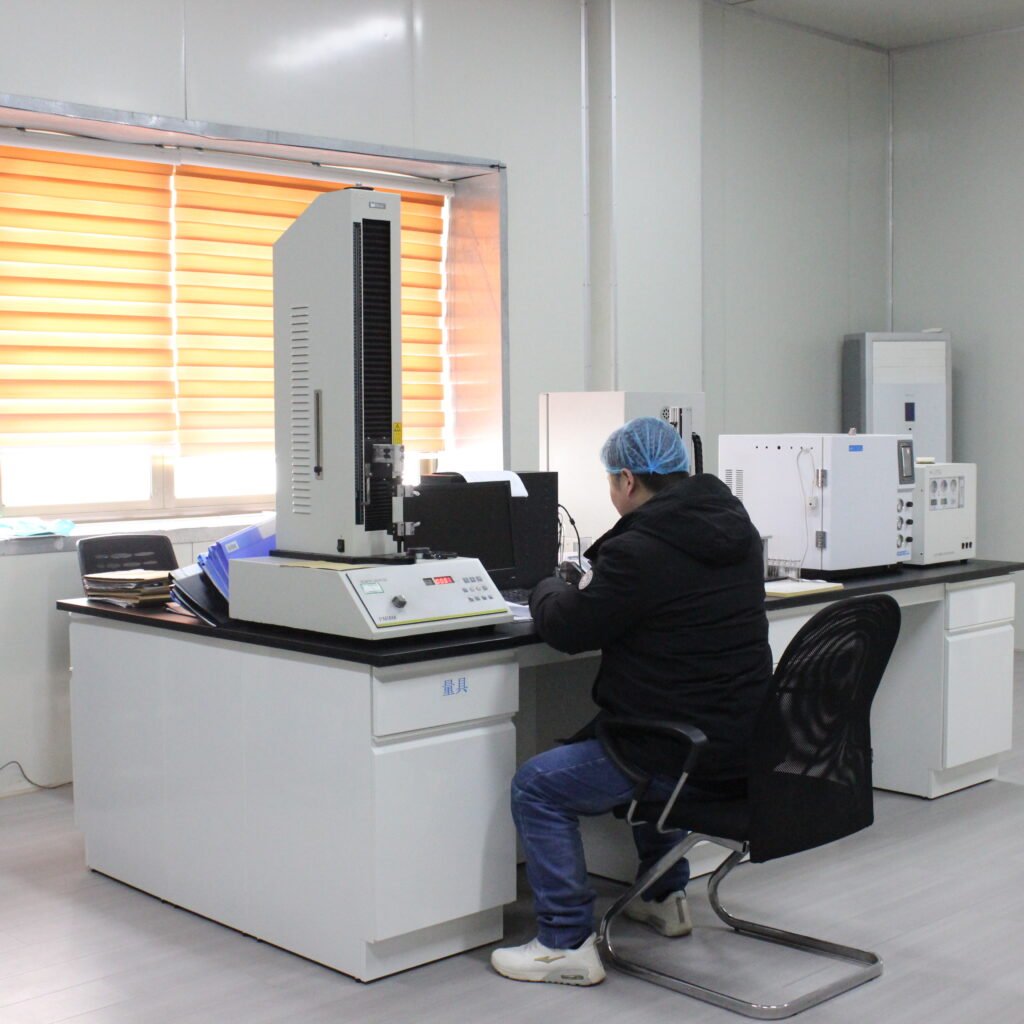
Opening performance should never be judged from a single hand sample. Test multiple packs after sealing, after suitable conditioning and after handling simulations that reflect the real supply chain.
6. Decide whether rollstock or pre-cut lids suit the line
Rollstock is often selected for high-output lines that form, seal and cut the lid in one continuous process. Pre-cut die-cut lids may be better for machines that pick and place individual lids, or for packages with a specific lid outline and tab design.
Neither format is universally better. The right choice depends on the packaging equipment, production volume, changeover requirements, storage space and finished-pack design. See Rollstock Lidding Film vs. Pre-Cut Die-Cut Lids for a practical comparison.
7. Run a line trial before approving mass production
Sampling is the point where material design meets real production. A proper line trial should check both packaging performance and machine efficiency.
Review the following during the trial:
- Web tracking, tension stability and roll changeover
- Print registration and lid position on the cup
- Seal appearance, seal strength and leak resistance
- Opening force and consumer handling
- Cutting or separation quality, where applicable
- Output, reject rate and any unplanned stoppages
If a result is inconsistent, record the machine settings and the condition of the cups as well as the film details. This makes troubleshooting much faster and helps identify whether the cause is material, sealing setup, container variation or machine handling.
For a broader quality checklist, see How to Test Food Cup Lids Before Mass Production.
Information to send when requesting a quotation
The following details allow a supplier to make a more useful recommendation from the start:
- Cup or bowl sample, drawing and material information
- Product type, filling method and storage conditions
- Packaging-machine model and target production speed
- Current sealing parameters, if available
- Required lid format: rollstock or pre-cut lid
- Artwork, color references and dieline, if printing is required
- Expected order quantity and target market
- Requirements for barrier, opening performance or special processing
Make the lid part of the production system
Stable high-speed sealing relies on the whole packaging system: the container, lidding structure, print repeat, machine settings and inspection standard. Reviewing these elements together before sampling reduces avoidable adjustments later.
HYPack supports custom heat-sealing films, printed laminates and die-cut lids for food packaging applications. Share your cup, line and product requirements with our team to begin a technical discussion.
Suggested on-page image placement
- Hero image: a real high-speed cup filling or cup-sealing line with printed lidding film.
- After section 3: a clean photo of a printed film roll being prepared for the machine.
- After section 7: quality inspection or leak-testing image with finished cups.
Internal links used
- Composite Film Roll product category
- How to Specify Printed Lidding Film article
- Rollstock Lidding Film vs. Pre-Cut Die-Cut Lids article
- How to Test Food Cup Lids Before Mass Production article
 English
 Chinese